
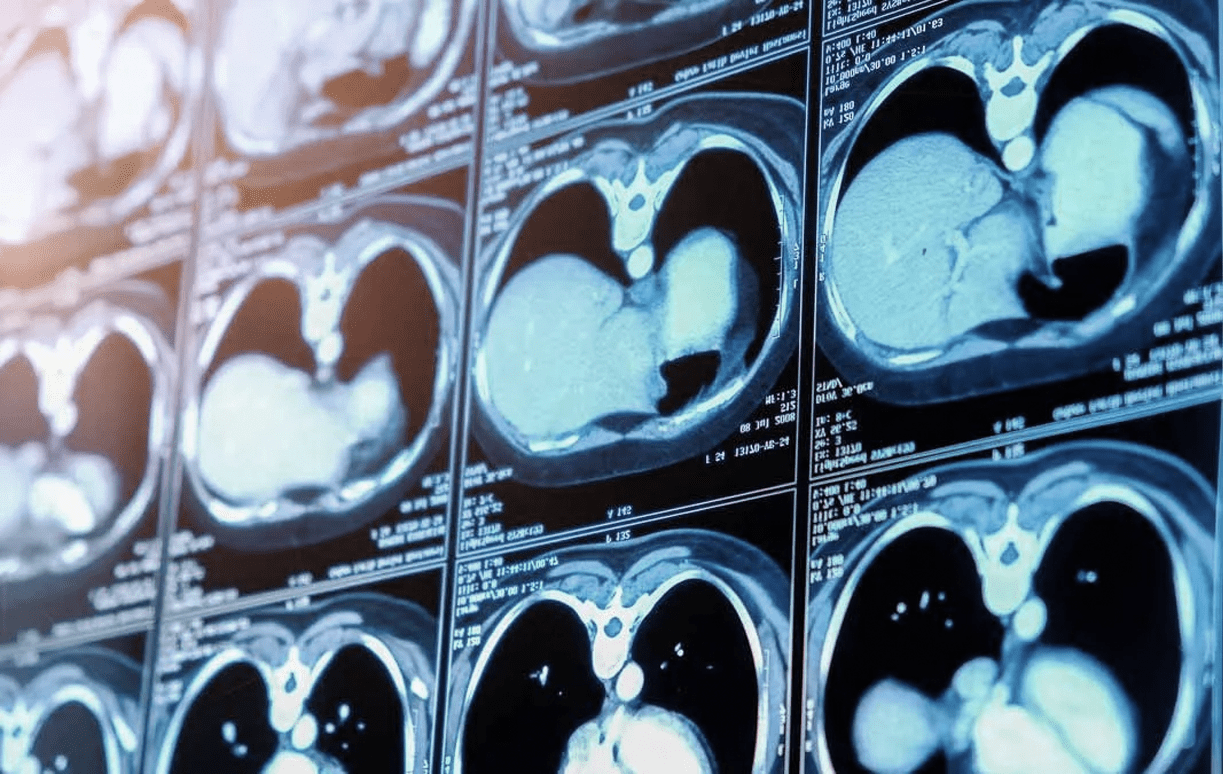
Seeing “lung nodule” on a CT report can be frightening. Your eyes may go straight to the measurement, followed by one immediate question: Is this something serious?
The reassuring part is that lung nodules are common, and many are not cancer. Size helps your healthcare provider decide what to do next, but it is only one piece of the assessment. The nodule’s shape, density, location, and growth all matter. Your age, smoking history, previous health conditions, and the reason for the scan also help guide the next step.
Quick Answer
There is no single lung nodule size that automatically means cancer. In general, smaller nodules are less likely to be cancerous. Larger nodules, growing nodules, or nodules with certain imaging features may need closer evaluation.
For solid nodules found incidentally, these size ranges are often used as general reference points:
- Smaller than 6 mm: This is considered very small. Routine follow-up may not be needed for someone with a low risk of lung cancer.
- 6 to 8 mm: A follow-up CT is commonly recommended to monitor the nodule for growth or other changes.
- Larger than 8 mm: The nodule may need earlier or more detailed evaluation. The next step could involve another CT, PET/CT imaging, specialist review, or a biopsy.
These are general ranges, not personal medical instructions. Nodules found through a formal lung cancer screening program may be assessed differently from those found during a CT performed for another reason.
What Is a Lung Nodule?
A lung nodule is a small, round or oval spot that appears in the lung on an imaging test. It may be found during a low-dose CT lung screening, a diagnostic chest CT, or an examination performed for an unrelated health concern.
Most nodules do not cause symptoms. Many are discovered unexpectedly and may be linked to:
- A previous infection
- Inflammation
- Scar tissue
- A benign growth
- Certain autoimmune conditions
- Exposure to fungi or environmental substances
According to MedlinePlus, a nodule is more likely to be benign when it is small, has smooth borders, and has a solid, uniform appearance. Age and smoking history also help a healthcare provider estimate risk.
A CT scan can describe a nodule in detail, but its size alone cannot confirm whether it is cancerous.
Why Does Lung Nodule Size Matter?
Size gives your healthcare provider a useful starting point. Very small nodules usually carry a lower statistical risk, while larger nodules may need closer attention.
Larger nodules can also provide more detail for the radiologist to examine. Their borders, shape, density, and internal features may be easier to see. This additional information can help determine whether monitoring is reasonable or whether another test should be considered.
Still, a larger nodule is not automatically cancer, and a small nodule should not be ignored automatically. A small nodule that grows may deserve more attention than a larger nodule that has remained unchanged for years.
What Does a Lung Nodule Smaller Than 6 mm Mean?
A solid lung nodule smaller than 6 mm is very small. For an adult with a low risk of lung cancer, a healthcare provider may decide that routine follow-up is not necessary.
Follow-up may still be recommended when:
- The patient has a higher risk of lung cancer
- The nodule has irregular or unusual borders
- It is located in an area associated with greater risk
- More than one nodule is present
- The nodule is ground-glass or part-solid
- A previous scan shows that it has grown
- The patient has a history of cancer or a weakened immune system
The words “smaller than 6 mm” can be reassuring, but they should not be interpreted in isolation from the rest of the radiology report.
What Does a 6 to 8 mm Lung Nodule Mean?
A solid nodule measuring 6-8 mm often warrants CT surveillance. This usually means having another scan after a recommended period so the radiologist can check whether the nodule remains stable.
The timing depends on the nodule’s appearance and the patient’s risk factors. Some people may need one follow-up scan. Others may be asked to return more than once before the nodule is considered stable.
Monitoring is not the same as doing nothing. It is a planned way to gather more information without moving straight to an invasive procedure.
What Does a Lung Nodule Larger Than 8 mm Mean?
A nodule larger than 8 mm may need a more detailed assessment. Size can increase the estimated risk, but it still does not provide a diagnosis. Infections, inflammation, scar tissue, and benign growths can also create nodules larger than 8 mm.
Your healthcare provider may consider several next steps.
A Follow-Up CT Sooner
Another CT may be scheduled after a shorter interval. This can show whether the nodule is stable, shrinking, or continuing to grow.
PET/CT Imaging
A PET/CT scan can provide information about activity within a nodule. It may help a physician decide whether more testing is needed. However, infections and inflammation can also appear active, so PET/CT findings are not definitive.
A Specialist Consultation
A pulmonologist or thoracic specialist may review the images, your medical history, and your risk factors. Being referred to a specialist does not mean that cancer has been diagnosed.
A Biopsy
A biopsy may be considered when the estimated risk is high enough to justify an invasive procedure. The decision depends on the nodule’s size, appearance, and location, as well as the patient’s overall health.
Do All Lung Nodules Follow the Same Size Rules?
No. One of the most important details in your report is whether the nodule is solid, ground-glass, or part-solid.
Solid Nodules
Solid nodules appear dense on a CT image. Their follow-up is often guided by size, growth, appearance, and the patient’s risk factors.
Ground-Glass Nodules
Ground-glass nodules appear hazy. Some are temporary and may be related to infection or inflammation. Others can remain for a long time and may need extended monitoring.
Part-Solid Nodules
Part-solid nodules contain both hazy and solid areas. The size and growth of the solid portion can be especially important when the healthcare provider is deciding what to do next.
Because these nodule types can behave differently, the same measurement may not carry the same meaning in every report.
Why Is Growth More Important Than One Measurement?
One scan shows what the nodule looks like today. Earlier images can show whether it is new, stable, shrinking, or growing.
A stable nodule is often less concerning, especially when it has remained unchanged for the recommended monitoring period. A growing nodule may need closer evaluation, although infection and inflammation can also cause changes.
Small differences between reports do not always represent true growth. Breathing, patient position, scan technique, and the way the nodule is measured can affect the result. This is why radiologists prefer to compare the actual images rather than rely solely on measurements in separate reports.
If you have had a chest CT before, tell your healthcare provider where it was performed. Making the earlier images available may help avoid unnecessary uncertainty.
What Else Can Make a Lung Nodule More Concerning?
A healthcare provider looks at the complete picture rather than deciding on size alone.
Important factors may include:
- Growth: A meaningful increase in the nodule’s diameter or volume may raise concern.
- Borders: An irregular or spiculated nodule may need closer assessment than one with smooth edges.
- Density: Solid, ground-glass, and part-solid nodules are evaluated differently.
- Location: A nodule’s position within the lung may affect the estimated risk and the options for further testing.
- Smoking history: Current or previous smoking can increase the risk of lung cancer.
- Age: Lung cancer risk generally increases with age.
- Previous cancer: A personal history of cancer may change how a new nodule is evaluated.
- Environmental exposure: Radon, asbestos, and certain workplace substances may contribute to lung cancer risk.
None of these features proves that a nodule is cancerous. Your physician brings them together to determine whether monitoring or additional testing makes sense.
Does Smoking History Change the Level of Concern?
It can. Smoking history is an important part of lung cancer risk assessment. A healthcare provider may ask how many years you smoked and how many packs you usually smoked each day. This information is used to calculate pack-years.
The Centers for Disease Control and Prevention recommends annual low-dose CT screening for certain adults with a significant smoking history. A healthcare provider should confirm eligibility, as factors such as age, smoking history, current health, and other factors may affect the recommendation.
People who have never smoked can also develop lung nodules and lung cancer. Smoking history matters, but it never provides the whole answer.
Is Every Large Lung Nodule Cancer?
No. A larger nodule can still be benign. It may be related to an old infection, inflammation, scarring, or another noncancerous condition.
The reverse is also true. A small nodule is usually less concerning, but its size does not guarantee that it can be dismissed. Its appearance, growth, and the patient’s risk factors still matter.
The purpose of a structured follow-up plan is to avoid unnecessary procedures while ensuring that a finding requiring closer attention is not overlooked.
Are Screening Nodules and Incidental Nodules Evaluated Differently?
Yes. This distinction can be confusing, especially when patients search for size charts online.
A nodule found during formal low-dose CT lung cancer screening is usually placed into a screening category. That category helps determine whether the patient should return for annual screening, receive an earlier follow-up scan, or speak with a specialist.
An incidental nodule is found during imaging performed for another reason. These nodules may be managed using a different set of recommendations.
The two systems can use different thresholds and follow-up intervals. Ask your healthcare provider which system applies to your report before comparing your results with information found online.
What Should You Do After a Lung Nodule Is Found?
Begin with the impression section of your radiology report. This section usually summarizes the finding and may include a suggested follow-up.
When you speak with your healthcare provider, ask:
- What type of nodule was found?
- How large is it?
- Does it have any unusual imaging features?
- Is it new, or was it visible on an earlier scan?
- Was it found through screening or incidentally?
- When should I have another scan or appointment?
- Who will arrange and monitor my follow-up?
- Do my personal risk factors change the recommendation?
Keep a copy of the report and write down the recommended follow-up date. If an earlier CT was completed elsewhere, arrange for those images to be shared with the physician or imaging center reviewing the new scan.
You can also review what to expect during a Life Imaging visit and learn more about low-dose CT lung screening.
Frequently Asked Questions About Lung Nodule Size
Is a 4 mm Lung Nodule Concerning?
A 4 mm lung nodule is very small and is often considered low risk, especially in an adult without significant lung cancer risk factors. Its type, appearance, location, and any evidence of growth still matter. Follow the recommendation included in your radiology report.
Is a 6 mm Lung Nodule Considered Large?
No. A 6 mm nodule is still small. However, it is near a size at which follow-up may be recommended. The next step depends on whether the nodule is solid or subsolid, its appearance, the reason for the scan, and the patient’s personal risk factors.
Does an 8 mm Lung Nodule Require a Biopsy?
Not automatically. An 8 mm nodule may warrant another CT, PET/CT, specialist review, or biopsy. A healthcare provider will weigh the nodule’s appearance and growth against the risks of an invasive procedure before making a recommendation.
Can a Small Lung Nodule Be Cancerous?
Yes, although most very small nodules are not cancer. A physician will consider more than size, including growth, density, borders, smoking history, age, and previous cancer history.
How Quickly Can a Lung Nodule Grow?
Growth rates vary. Cancer, infection, and inflammation can all cause a nodule to change at different speeds. A radiologist may compare the nodule’s diameter or volume across scans to decide whether the difference is meaningful.
Can a Lung Nodule Shrink or Disappear?
Yes. Nodules related to infection or inflammation may shrink or disappear. Others may remain stable for years. Even if a nodule decreases in size, your healthcare provider should decide whether any further follow-up is needed.
Take the Next Step With Greater Clarity
A lung nodule measurement is not a diagnosis. It is one detail that helps your healthcare provider decide whether the finding can be left alone, should be monitored, or needs further evaluation. Understanding the full report can make the next step feel much more manageable.
Life Imaging offers low-dose CT lung screening for eligible adults who want to be proactive about their lung health. Screening is intended for people without symptoms and does not replace diagnostic imaging or medical evaluation. If you develop chest pain, cough up blood, experience severe breathing difficulty, or have another urgent symptom, seek immediate medical care.